Avionics are advanced electronics used in aircraft, spacecraft, and satellites. These systems perform various functions including communication, navigation, flight control, display systems, and flight management. There is a great need for advanced avionics in civil, military, and space systems.
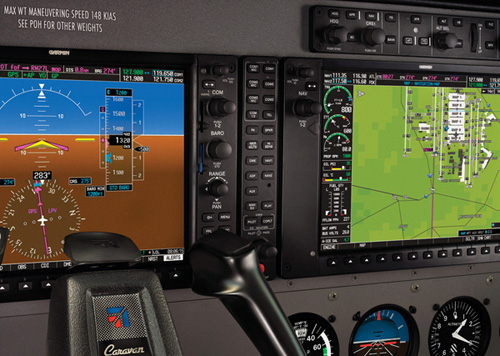
Civil Aircraft
- For better flight control, performing computations, and increased control over flight control surfaces.
- For navigation, providing information using sensors like the Altitude and Heading Reference System (AHRS).
- Provide air data like altitude, atmospheric pressure, temperature, etc.
- Reduce crew workload.
- Increased safety for the crew and passengers.
- Reduction in aircraft weight, which can be translated into an increased number of passengers or a longer range.
- All-weather operation.
- Reduction in aircraft maintenance costs.
Military Aircraft
- Avionics in fighter aircraft eliminates the need for a second crew member like a navigator or observer, which helps in reducing training costs.
- A single-seat fighter is lighter and costs less than an equivalent two-seat version.
- Improved aircraft performance, control, and better handling.
- Reduction in maintenance costs.
- Secure communication.
Space Systems
- Fly-by-wire communication systems used for space vehicle attitude and translation control.
- Sensors used in the spacecraft for obtaining data.
- Autopilot redundancy system.
- On-board computers used in satellites for processing data.
