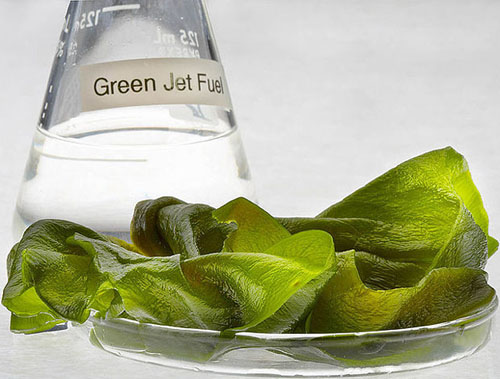
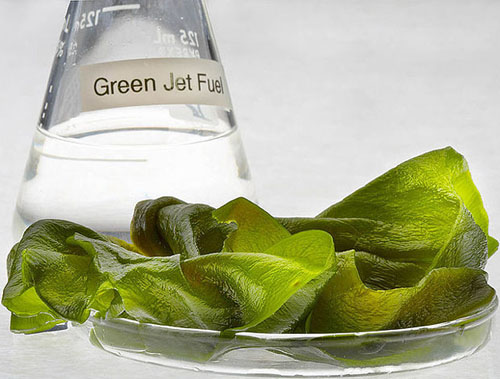
Researchers from the University of Toledo are developing new ways to convert algae into biofuels. The process involves growing algae in wastewater, harvesting the grown algae, and breaking them down into fuels.
Though the process of turning algae into fuel is already known, the researchers are trying to find new ways to make the process more efficient and economically viable.
Funding and Research Grants
The U.S. Department of Energy granted $3 million to researchers Sasidhar Varanasi and Sridhar Viamajala from Toledo University’s chemical and environmental engineering department. Along with them, Kana Yamamoto, an assistant professor of chemistry, also received a $1 million grant from the National Science Foundation.
Crops like corn and soybeans are already used for creating biofuels, but only a few processes have been done with algae as it isn’t readily available. “We are looking at algae in a different light,” Mr Viamajala said. “It’s not a food crop, it’s a fuel crop.”
Environmental Benefits and Production Efficiency
The harvested algae release carbon dioxide when burnt, but unlike fossil fuels, the CO2 is taken out of the atmosphere by the growing algae.

High oil prices, demands for food and biofuel sources, and the world food crisis have initiated algal culture for producing vegetable oil, biodiesel, bioethanol, biogasoline, biomethanol, biobutanol, and other biofuels.
Algae can be grown on any wastewater or ocean water and has no negative effect on the environment. The cost of algae is high per unit mass, but it is still claimed to yield 10 to 100 times more fuel per unit area than other biofuel crops.
The researchers from the university are partnering with researchers from Montana State University and the University of North Carolina at Chapel Hill, as well as with the city of Logan, Utah, and a private Cleveland-based firm.
The researchers are using facilities like wastewater plants for growing algae rather than collecting algae from lakes. Naturally occurring algae are too diluted for harvesting purposes.
Algae do not require fertilisers to grow; they take up waste nutrients from the water. The process for producing biofuel from algae is estimated to take three or four years to become economically viable.
Source: University of Toledo
